
A recurring support request looks like this: "our Medium fits great, but our Large and our Small both feel off." Almost every time, the cause is the same. The base pattern was fine. The grading was not.
Grading is not scaling
It's tempting to think of a size range as one pattern, scaled up and down like a photo. That's not how bodies, or good fit, work. A body doesn't grow evenly in every direction between a Small and a 2XL: shoulders, bust, waist, and hip each grow at their own rate, and sleeve length doesn't grow at the same rate as chest width.
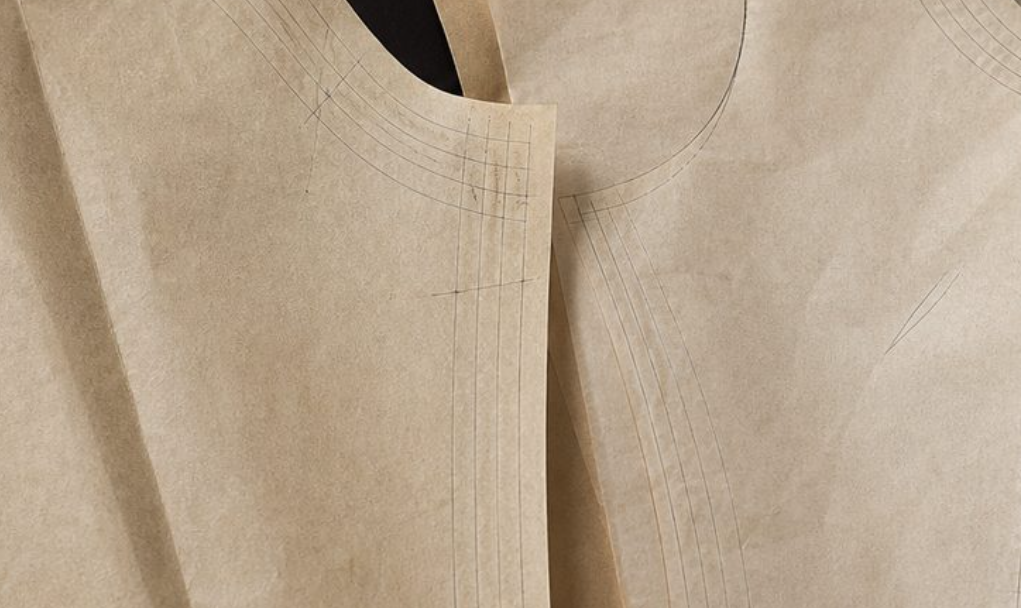
Pattern grading is the process of moving pattern points outward or inward by specific, size-by-size amounts, called grade rules, so that every size keeps the same silhouette and proportion as the base size, just at a different scale. Done correctly, a 2XL looks and fits like a bigger version of the Medium. Done as uniform scaling, it looks stretched: wider everywhere by the same amount, including places that shouldn't have grown that much.
Where self-taught grading usually breaks
How grading fits into the bigger production picture
Grading doesn't happen in isolation. It's one stage in a chain: a base pattern is drafted, graded across the full range, tested for fit at the extremes, then documented into a tech pack with a POM sheet covering every size. Skip the grading step, or rush it, and every downstream document, the POM sheet, the factory's cutting markers, your own size chart, inherits the error.
This is also why grading is hard to do well from a single reference photo or a competitor's size chart. Real grading needs the actual base pattern, a defined fit intent, and grade rules chosen for the specific garment category, not copied from a different style.
The practical takeaway
If you're expanding from a one-size or limited-run product into a full size range, budget for real grading, not just a resize. It's a small line item next to the cost of reprinting labels, reworking a bulk order, or absorbing returns on a size that quietly doesn't fit.